

Imagine you’re entering the huge internet world, looking to make your mark. You need a strong start, and that’s the role of a domain name. It’s more than just your online nickname; it’s what defines your presence on the web.
So, what is a domain name? It’s your specific website address online. It makes you stand out and helps visitors find you among endless data. It’s like your business card’s address, leading people right to you.
If you want to be known online, knowing what a domain name means is essential. Without this knowledge, building a remembered online identity is harder. This guide is here to clarify what an internet domain is and its importance for online navigation.
The Basics of a Domain Name
Learning about domain names is key if you want to start a website or understand the internet. Let’s talk about domain names, their role online, and clear up common confusion. For example, the difference between a domain name and a URL.
Defining Domain Names in Simple Terms
A domain name is the address you enter in a web browser to visit a website. It’s crucial for domain name services, which change these names into IP addresses. This lets computers recognize each other online. It’s like the sign on your house’s front door.
How Domain Names Function on the Internet
Using a domain name does more than identify a site. When you enter a domain, a global server network kicks in. This network, the Domain Name System (DNS), matches the name to the right IP address. This ensures you land on the correct website every time.
The Difference Between a Domain Name and a URL
People often mix up domain names and URLs, but they’re not the same. A domain name is part of a URL, which gives full address details. For example, in http://www.example.com/index.html, “example.com” is the domain name. Grasping this helps understand phrases like URL vs domain name.

Types of Domain Names
When you start exploring websites, it’s key to know the different domain names. Each type has benefits based on your location focus and your website’s purpose.
Top-Level Domains (TLDs) and Their Categories
Top-level domains (TLDs) are the top tier in the Internet’s domain name system. There are many TLD categories. This variety helps meet various needs. We see categories like country code TLDs (ccTLDs), generic TLDs (gTLDs), and sponsored TLDs (sTLDs).
Country Code Top-Level Domains (ccTLDs)
Country code TLDs focus on specific places. They show which country or territory a website is from. For instance, .us is for the United States, and .jp is for Japan. These ccTLDs are great for businesses aiming at particular areas. They help in boosting local marketing and SEO within that region.
Generic Top-Level Domains (gTLDs)
Generic TLDs are global and not tied to any place. Anyone around the world can register them. Famous gTLDs include .com, .org, and .net. They are popular in many fields due to their worldwide acceptance.
| Type of TLD | Typical Use | Example |
|---|---|---|
| ccTLD | Geographic-specific entities | .uk (United Kingdom) |
| gTLD | General usage | .com (Commercial) |
| sTLD | Sponsored communities | .edu (Educational institutions) |
Your choice between a ccTLD and a gTLD depends on who you want to reach and your branding plan. Both types are crucial in how your site connects with people worldwide.
Choosing the Right Domain Name for Your Website
The choice of a domain is key for a strong online presence. Selecting the perfect domain name is essential for brand identity and to stand out online. Here’s what to keep in mind to attract the right visitors with your domain name.

- Keep it Simple and Memorable: Your domain name should be easy to type and remember. A catchy web address sticks with visitors and helps your online marketing.
- Use Keywords Strategically: Include keywords that show what your business does, like ‘bakery’ or ‘cakes’, to draw in relevant traffic.
- Avoid Numbers and Hyphens: Numbers and hyphens can confuse people, making your website harder to promote.
A smart domain choice avoids mistakes and builds brand recognition. Understanding different domain options is important too. See the table below for a comparison to help you choose wisely.
| Type of Domain | Common Uses | Pros | Cons |
|---|---|---|---|
| .com | Commercial businesses | Highly recognized | Can be very competitive |
| .org | Non-profit organizations | Trusted by users | Only for non-commercial use |
| .net | Internet services | A .com alternative | Not as popular as .com |
| .biz | Business projects | Directly shows business intent | Not widely recognized |
By carefully picking a domain and using smart strategies, you can get a name that boosts your brand and online presence. A great domain name makes your website key to your digital identity.
What is a Domain Name
Exploring domain names helps us get how the internet works. It also lets us make smart choices online. Let’s look at what domain names mean today.
The History and Evolution of Domain Names
The story of how domain names have changed is full of innovation. At first, the internet was just a bunch of numbers. It was hard to remember. Then in the 1980s, domain names started. This change made the internet easier to use.
As the internet grew, we needed a better system for domain names. This led to different kinds of domain names being made.
Understanding the Anatomy of a Domain Name
A domain name has several parts. Each has its own job. TLDs (Top-Level Domains) are the most general part.
Second-level domains are very important. They often show the website’s brand. Subdomains help organize the site. They make it clear and help with SEO.
| Domain Level | Example | Use Case |
|---|---|---|
| Top-Level Domain | .com, .edu, .org | Defines the type of entity (.com for commercial, .edu for educational) |
| Second-Level Domain | google, wikipedia | Represents the brand or specific identity |
| Subdomain | mail.google.com, en.wikipedia.org | Organizes and differentiates distinct sections of a website |
Understanding TLDs, second-level domains, and subdomains is key. They help you manage and improve your domain. They are vital for your brand and site organization.
The Registration Process of a Domain Name
Registering a domain is key to setting up your online presence. It matters whether you’re starting a business, working as a freelancer, or launching a personal project. The steps to register a domain include several important actions.
Finding a dependable domain registrar is the first important step. These services help you register your desired domain name. They offer extra support like hosting and keeping your information private. It’s smart to look around and pick one that provides what you need without costing too much.

After picking a registrar, it’s time to register a domain. Here are easy steps to follow:
- Check Domain Availability: Use your registrar’s search tool to see if your domain name is free.
- Select Your Domain: If the name you want is free, go ahead and choose it. If not, you’ll get other suggestions.
- Choose Domain Extensions: Pick an extension like .com or .org. The right one fits your website and its visitors best.
- Complete Registration: Fill out the needed info, including contacts for admin and tech support.
- Opt for Privacy Protection: Many add privacy services to hide their details from the WHOIS public database.
- Finalize Your Purchase: After entering your details and choosing extra services, you can complete your purchase. You usually pay a fee each year.
It’s crucial to keep up with domain renewal times to avoid losing your domain. Many registrar services let you renew automatically. This is important to remember, as forgetting to renew can hurt your online presence a lot.
In short, getting a domain registered isn’t hard if you know the steps. By choosing the right registrar and understanding how to register and renew, you can keep a strong online identity.
How Domain Names Relate to IP Addresses
Understanding the link between domain names and IP addresses is key for web development or learning about the internet. This section makes it clear. It shows the vital part DNS and internet rules play in internet navigation.
Domain Name System (DNS) Explained
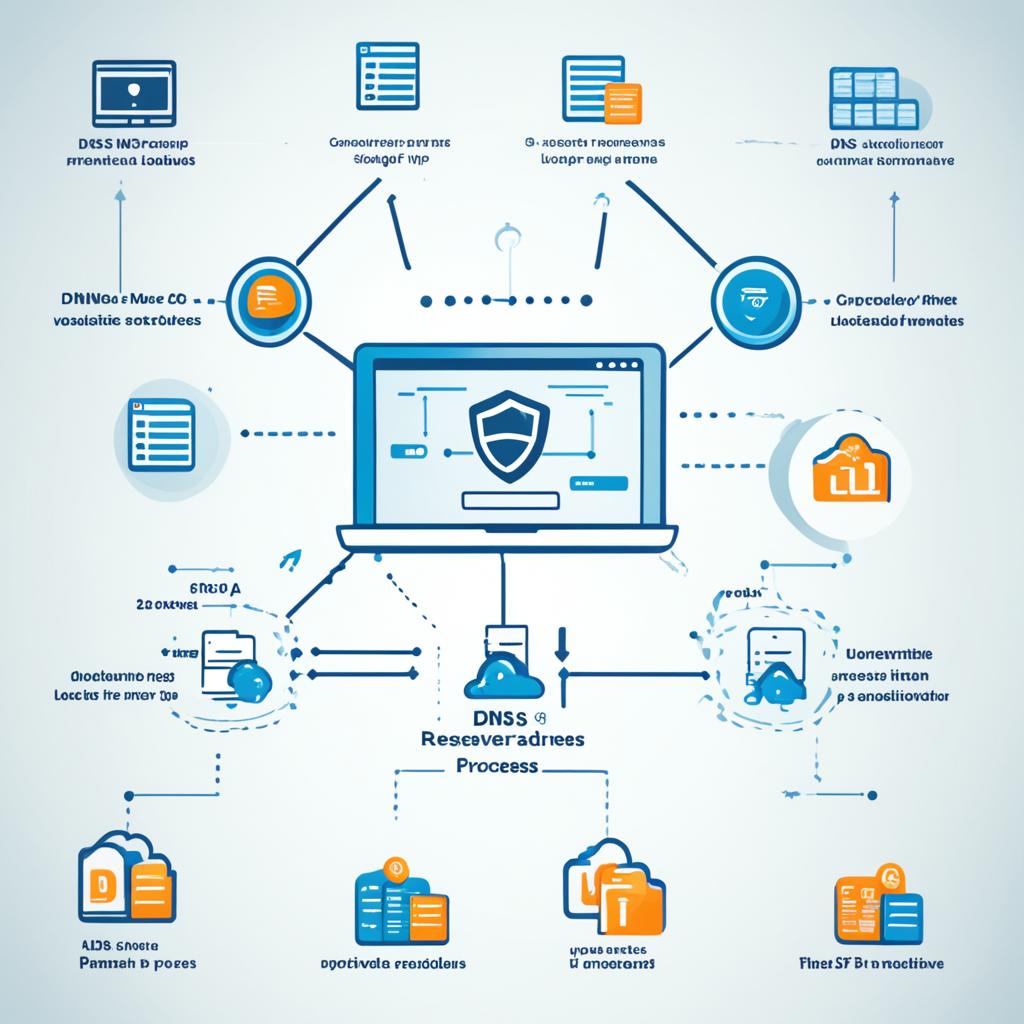
The Domain Name System (DNS) acts like the internet’s phone book. When you enter a web address, DNS servers match it to an IP address. This lets your browser find the right web server.
Why Domains Are Easier Than IP Addresses
IP addresses are hard to remember because they are numbers. Imagine typing 192.168.1.1 instead of google.com to do a search. So, domain names were made to be easy to use. This makes the internet easier to use and helps with online branding.
Knowing how DNS, IP addresses, and internet rules work helps you manage your internet use better. Whether setting up a site, securing a network, or just browsing, understanding this makes your internet experience deeper each time you visit a site.
The Cost of Domain Names
Knowing what affects domain prices is key for domain investors or those seeking budget-friendly options. We’ll examine what goes into a domain’s cost. This will help you snag the best deals that suit your budget and goals.
Domain prices can vary a lot. This depends on things like keyword popularity, domain extension, and market demand. High-demand domains with popular business keywords or catchy phrases are usually pricier. They can bring more traffic and income. Meanwhile, lesser-known domain extensions may be cheaper but less recognized at first.
Many view domain investment as a smart business strategy. Picking the right domains could lead to big profits, akin to the right real estate. In the digital world, this means grabbing memorable domain names.
Getting a good deal on domain names means knowing where to look. Various platforms offer competitive prices and special deals. This can make some domains more affordable. Additionally, domain auctions might let you bid on premium names that would usually be too expensive.
| Domain Type | Typical Price Range | Ideal for |
|---|---|---|
| Generic .com Domains | $10 – $15/year | General Purpose |
| Premium Domains | $1,000 – $100,000+ | High Traffic Potential |
| Niche Extensions (.tech, .art) | $20 – $60/year | Specific Industries |
Finding cheap domains often needs patience and a good plan. You might try less sought-after extensions or undiscovered names. Watching for sales and buying during discounts can also save you money.
In the end, your domain price strategy should support your future online and business aims. With a grasp of the market and the advice shared here, you can make smart choices. These choices can boost the value of your online projects.
Managing Your Domain Name
Efficient domain management keeps your online presence strong and uninterrupted. It’s crucial to understand how to renew domains, transfer ownership, and control your domain settings. These are key for any website owner.
Domain Renewals and Expiration
It’s important to regularly renew your domains to avoid losing them. This could hurt your website and make visitors lose trust. Set reminders for the renewal dates or use auto-renewal to keep your site running smoothly.
Transfer of Domain Ownership
Transferring domain ownership needs careful handling. Whether buying or selling, ensure all steps are properly followed. Always check the transfer steps like unlocking the domain and getting an authorization code.

Good domain management is more than just registering your domain. By keeping up with transfer best practices and renewing on time, your online asset is safe. This ensures it meets your digital needs well.
Understanding Domain Privacy and Security
In today’s digital world, it’s essential to keep your domain name safe. This prevents others from getting it and keeps your online identity secure. We’ll cover the main ways to keep your domain private and safe from cyber threats.
Protecting Your Domain Name From Cyber Threats
To protect your domain from cyber threats, you need serious security. This means creating strong, unique passwords and turning on two-factor authentication. Using trusted security services is also key. They can spot and stop dangers like DDoS attacks or unauthorized changes to your DNS.
Knowing how to defend your domain keeps it running smoothly and safely.
The Role of WHOIS in Domain Privacy
The WHOIS database plays a big part in keeping domain info private. It holds contact info for domain registrants. Without protection, this info could fall into the wrong hands.
Using a WHOIS privacy service is a wise move. It hides your personal details, showing a proxy service’s info instead. This lowers the risk of spam, hacking, or identity theft.

Putting money into domain privacy and knowing about the WHOIS database are crucial. They help control how exposed your domain is to online threats. Strong privacy settings and good security habits help you follow data protection laws. They also make your online presence more trustworthy and secure.
Domains and Branding: Making Your Mark on the Web
In today’s digital world, having a strong online branding strategy is crucial. It helps create a solid digital identity. A major part of this involves domain branding. This lets your brand stand out online.

Choosing the right domain name matters a lot. It’s not just a tech requirement; it’s key for marketing. The right name boosts your brand’s web presence and recognition. Here’s how the right domain name can make your digital identity stronger:
- Consistency: Keeping your domain name consistent across platforms strengthens your brand identity.
- Visibility: A catchy and relevant domain name makes it easier for people to find and remember your brand.
- Authority: A unique domain, combined with a strong branding strategy, builds your brand’s professional image and trustworthiness.
Adding domain branding to your online strategy needs careful planning. Think about how every part of your digital presence, like your domain name and website design, makes your digital identity sync. Matching your domain name with your brand values and goals grabs more attention. This can greatly grow your market reach and customer interaction.
A great domain branding strategy makes sure your brand has a big impact online. It increases both recognition and loyalty among people who see your brand. Your domain is more than a tech detail; it’s key to your brand’s story and digital identity. Making smart choices here can give you a lasting advantage in the online market.
Common Mistakes to Avoid When Registering a Domain
Starting the domain registration process involves many decisions. Some mistakes can greatly affect your website’s success and visibility. Here are key tips for avoiding these errors and making your online domain more relevant.
Selecting a Domain Name That’s Hard to Spell or Remember
Choosing a hard-to-spell or remember domain name is a big mistake. It’s very important for your domain to be simple and memorable. This makes it easy for visitors to find and revisit your site.
A complex or odd domain name can cause you to lose visitors and reduce brand recognition.
Ignoring the Importance of Domain Extension Choice
The choice of domain extension is critical. It signals your website’s purpose and affects how visitors see you. Pick a domain extension that fits your business and location to boost your marketing and credibility.
| Mistake | Consequence | Tip |
|---|---|---|
| Using obscure, complex names | Reduced website traffic and engagement | Opt for simplicity and clarity in naming |
| Choosing an irrelevant domain extension | Potential confusion and mistrust among targeted audience | Select a domain extension that matches your business’s intent and geographical relevance |
| Neglecting keyword integration | Poor SEO performance | Incorporate relevant keywords naturally in your domain name to boost SEO |
By understanding and avoiding these common errors, you can greatly improve your online presence. Choosing the right domain name and extension is not just about avoiding mistakes. It’s about setting up for greater success on the web.
Conclusion
We’ve learned a lot about domain names and how important they are for making your mark online. We covered how to pick and register them, and why they matter for your online presence. Now, you know how to choose a domain that fits your brand and makes a strong impression on your audience.
Your domain name is key to your online identity. It helps customers and visitors find you. The domain you choose is your brand’s first impression online. It plays a big role in your success on the internet.
Keep the advice from this article in mind as you work on your web presence. Make sure your domain shows what’s special about you. Let your domain show your vision and help you succeed in the digital world. Remember, managing your domain well is crucial. It helps protect the online legacy you’re creating.
Leave a Reply
You must be logged in to post a comment.