

Understanding website hosting basics is key in the fast-paced internet world. It’s for anyone wanting to make their mark online. Web host providers act as the backbone for all websites you browse. They ensure these sites are always up, running, and reachable worldwide.
Think of your website like a shop in the huge internet mall. Just like a shop needs a good spot to draw in customers, your website needs strong hosting. Choosing the right web host means your site is always there, safe, and quick to load. This can greatly impact visitor satisfaction. So, let’s start building a solid foundation for your website by exploring website hosting services.
The Role of Website Hosting in Your Online Presence
Understanding web hosting importance is crucial for enhancing your online visibility. Your web host affects your site’s accessibility and your entire digital footprint. Ever thought about how this impacts your site’s user experience?
Web hosting stores and ensures your site can be reached by people all over the world. The right hosting improves site performance. This boosts your online presence and protects your visitors. Let’s look at how web hosting impacts visibility, security, and user experience.
- Reliability: Downtime makes your site invisible. If it’s down, you lose traffic and engagement fast. A reliable host keeps your site up and running.
- Speed: Fast loading times keep users interested and lower bounce rates. Good hosting provides this speed by optimizing hardware and software.
- Security: Top-notch hosting offers security features like SSL, backups, and malware protection. These are vital for protecting your online space.

Choosing a good web hosting provider does more than just store content. It lays the groundwork for strong online visibility and a big digital footprint. Every site visit could turn into a lead or customer interaction. Your web hosting’s performance is key to your digital strategy.
To sum up, work on your website’s content and design needs to happen alongside choosing the right web hosting. This combo assures your online presence is powerful, lasting, and safe.
Defining Website Hosting
‘Website hosting’ is a term you’ll quickly meet when starting a website. This crucial service makes sure people can visit your site anytime. It’s about service providers offering safe storage for your site data. Let’s take a closer look at hosting and its key aspects.
What Website Hosting Entails
Website hosting lets your site be seen online. It’s done on servers, which are special computers. Hosting companies keep these servers safe and running. This way, your site is always online for users worldwide.
The Basics of How Hosting Works
Think of hosting as renting a spot for your website on a server. When people type in your site address, they connect to this server. This is how they can see your site. Quality hosting ensures your site stays connected and safe.
Common Features of Hosting Services
Most hosting providers offer a set of basic features. These features help your website work well and stay secure. Let’s check out these common functions.
- Bandwidth and Disk Space: Essential for storing website files and handling traffic.
- Email Accounts: Creation and hosting of domain-specific email addresses.
- Technical Support: For troubleshooting and helping clients maintain their sites.
- Security Features: Such as SSL certificates, backups, and firewalls to protect your site’s data.
- Database Support: Necessary for sites that store user data or content.
Exploring these features shows the true value of good hosting. It highlights why choosing the right provider matters.

| Feature | Description | Benefits |
|---|---|---|
| Bandwidth/Disk Space | Amount of data transfer allowed and storage available. | Handles higher traffic and more extensive site content. |
| Email Accounts | Professional email addresses using your domain. | Enhances business credibility and communication. |
| Technical Support | Assistance with website issues and queries. | Reduces downtime and technical difficulties. |
| Security Features | Tools to protect your website from cyber threats. | Keeps your website data safe and builds trust. |
| Database Support | Support for integrating and managing a database. | Enables dynamic websites and applications. |
Types of Website Hosting Services
Understanding different types of hosting services is crucial when launching or expanding your website. You can choose from shared web hosting to cloud-based solutions, depending on your needs. Each type has its benefits, fitting various traffic volumes and requirements.
Shared Hosting Explained
Shared web hosting is budget-friendly, great for small to medium sites. Your site shares a server with others. It’s perfect for beginners or those on a tight budget, as the hosting provider handles server maintenance and management.
VPS Hosting and Its Advantages
Virtual Private Servers (VPS) strike a balance between shared and dedicated hosting. You get a virtual server, offering more control and better performance than shared hosting. VPS is good for sites with medium traffic.
Dedicated Servers for Large-Scale Websites
Dedicated hosting is best for large businesses and sites with lots of visitors. You have full control over your server. This type provides tons of resources, top security, and the ability to customize performance.
Cloud Hosting and Its Scalability
Cloud hosting is top for scalability and reliability. It uses a network of servers to hold your site, adjusting resources as needed. This makes cloud hosting a smart pick for sites with changing traffic.

| Hosting Type | Primary Benefit | Best Suited For |
|---|---|---|
| Shared Web Hosting | Cost Efficiency | Small to Medium Websites |
| Virtual Private Servers | Better Control and Performance | Medium Traffic Websites |
| Dedicated Hosting Solutions | Maximum Control and Resources | Large-Scale Websites |
| Cloud-Based Hosting | Scalability and Reliability | Fluctuating Traffic Websites |
Picking the Right Hosting Provider for Your Website
Choosing the right web hosting is key. You must match your needs with the website hosting selection criteria. This ensures your website’s success. You’ll easily spot the best hosting providers this way. Find one that matches your needs perfectly.
Let’s dive into what you need to look at:
- Uptime Guarantees: A high uptime means your site is mostly online.
- Customer Support: Seek providers with 24/7 support via phone, chat, and email.
- Scalability: Choose a provider that grows with you, offering bigger plans as needed.
- Pricing: Look for good prices but balance them with the services you get.
Choosing a web hosting provider this way preps you for now and later. Below, find a comparison of top providers against these key points:
| Provider | Uptime Guarantee | Customer Support | Scalability Options | Pricing |
|---|---|---|---|---|
| Provider A | 99.99% | 24/7 Phone, Live Chat, Email | Multiple plans, easy upgrades | $3.99/month starting |
| Provider B | 99.97% | Email, Live Chat | Limited scalability | $2.99/month starting |
| Provider C | 99.98% | 24/7 Phone, Forums | Highly scalable with cloud options | $5.99/month starting |

Remember, the right host affects your site’s management and its success. Take time, use the guide, and pick the best for you. It’s about finding the right mix of features, support, and cost.
What is Website Hosting Services and Why Do You Need It?
Web hosting is crucial for having your website online. But it’s more than that. It makes sure your site runs smoothly and safely. Let’s talk about why good hosting is key for your website’s success.
The Importance of Reliable Web Hosting
If your web host is good, your website can always be reached. This kind of hosting keeps your site live with almost no downtime. It’s important for keeping visitors and drawing in new ones.
How Hosting Services Impact Website Performance
A top hosting service makes your website work faster. Fast websites give a better experience, which might keep visitors coming back. It also helps with your website’s SEO ranking.
Securing Your Website Through Quality Hosting
Website security is given by your hosting service. A safe host protects against online threats. This keeps your visitors’ trust. It also meets data protection laws, keeping everyone’s data safe.
When picking a hosting service, think about performance, reliability, and security. A good choice in hosting ensures a strong, safe site.

Let’s dive deeper into what makes hosting so important. Here are the benefits and how they help your site:
| Feature | Benefits | Impact |
|---|---|---|
| High Website Uptime | Ensures consistent online availability | Reduces lost traffic and increases reliability |
| Optimized Server Performance | Enhances site loading speed and efficiency | Improves user experience and SEO |
| Advanced Security Measures | Protects against cyber threats, ensures data compliance | Builds trust with visitors, safeguards sensitive information |
Knowing these features helps you choose the best web hosting. It makes sure your website is strong and secure for your audience.
How Domain Names and Web Hosting Work Together
Creating an online presence starts with learning how domain names and web hosting work. These steps are the building blocks for setting up your site. They make sure your website can be found and managed easily.
Understanding Domain Name Registration
Choosing a domain name is the first task in making your online mark. This name is your website’s address for users to find you. A well-chosen domain makes your site both memorable and visible online.
Connecting Your Domain to Your Hosting
With your domain chosen, managing DNS is next. The Domain Name System, or DNS, turns your website’s name into IP addresses for computers. Setting DNS settings in your hosting links your domain with your website’s files. This step is key for people trying to visit your site.
The Process of Setting Up a Website
Starting a website includes several important steps:
- Register your domain name.
- Pick a web hosting service and plan.
- Update DNS records to connect your domain and host.
- Upload your site’s files to your host’s server.
- Check your site to make sure it works correctly.
These steps help you get your website ready for visitors and customers.

Technical Aspects of Website Hosting
Looking into website hosting’s technical side helps us see how our platforms work online. It shows the importance of knowing server details, control panel options, and uptime metrics. This knowledge boosts our site’s performance and the experience for every user.
Server Specifications and Resources
For smooth website operation, knowing what supports it is key. This includes the type of processor, how much memory, storage, and the speed of the network. A good server has a fast multi-core processor and lots of RAM. This setup manages more users and processes data quickly, perfect for busy sites.
An Overview of Control Panels
Control panel features make hosting management easy. With platforms like cPanel, you can manage domains, install software, and watch over resource use. By understanding these tools, you can keep your website running well.
Understanding Uptime and Downtime
Website uptime shows how reliable hosting is. High uptime means your site is up and running without issue. Downtime, however, hurts your business. It lowers customer happiness and could drop your SEO ranking.
| Feature | Description | Importance |
|---|---|---|
| High-performance CPUs | Multi-core processors capable of handling multiple tasks efficiently | Essential for high-traffic sites and complex applications |
| RAM | High-capacity memory to support simultaneous processes | Improves loading times and user experience |
| Storage | SSD or HDD with ample space for data storage | Critical for data-heavy websites and applications |
| Network Speed | High bandwidth to handle incoming and outgoing data | Ensures smooth traffic flow and reduces latency |
| Control Panel Accessibility | Intuitive UI for easy management of hosting features | Facilitates better control and efficient management |
| Uptime Rate | Percentage of time the server is operational and accessible | Vital for ensuring constant website availability |

Website Hosting Security Features
When looking for web hosting, it’s important to focus on web hosting security. A secure hosting environment not only keeps your data safe. It also makes sure your website’s visitors feel secure, growing their trust in you online.
Cyber protection is key for any hosting plan. Let’s look at the main security features you should have:
- SSL Certificates: SSL certificates are vital for keeping your site’s data safe on the internet. They encrypt the data making it unreadable to others who might try to grab it.
- Firewalls: Firewalls help guard your site. They block bad traffic before it can get to your network or server.
- Malware Scanning: It’s important to regularly check for malware. This helps catch and remove any nasty software early on.
- Regular Backups: Backing up your data often is crucial. If something goes wrong, like a security breach, you can get your site back up quickly.

These features are vital for a solid web hosting security plan. When picking a host, ask how they handle these parts in their system. This ensures a secure hosting environment for your site.
Remember, cyber protection isn’t just about keeping data safe. It’s also key for your reputation and trust with visitors. Pick your hosting service carefully, making sure it meets your security needs.
Cost Considerations for Various Hosting Plans
Understanding the cost of web hosting is key to making good choices for your site. It’s important to find hosting that is affordable yet still high quality. This balance impacts your website’s success and your budget.
How Hosting Types Influence Price
Hosting prices vary widely across different services. Shared hosting is usually the cheapest option. However, if your site grows, you may need to move to more expensive VPS or dedicated hosting.
Analysing the True Cost of Hosting Services
Looking beyond the listed price is critical. Be aware of hidden costs for extras like SSL certificates and backups. These can change how affordable a plan truly is.
Looking at Long-Term Hosting Investment
Paying more for reliable hosting at the start can save money over time. Costs from downtime or security issues can be much higher than the initial investment.
| Type of Hosting | Typical Uses | Average Initial Cost | Long-Term Benefits |
|---|---|---|---|
| Shared Hosting | Small to medium websites, blogs | $3 – $10/month | Cost-effective for startups |
| VPS Hosting | SMEs, growing online stores | $20 – $100/month | Scalable, more control |
| Dedicated Hosting | Large businesses, high traffic sites | $100 – $500/month | Maximum control, high performance |
| Cloud Hosting | Sites with fluctuating traffic | $10 – $50/month | Highly scalable, pay for use |
Selecting the right hosting is about balance. Consider initial costs, scalability, and future upgrades. This helps you choose a plan that supports your growth.
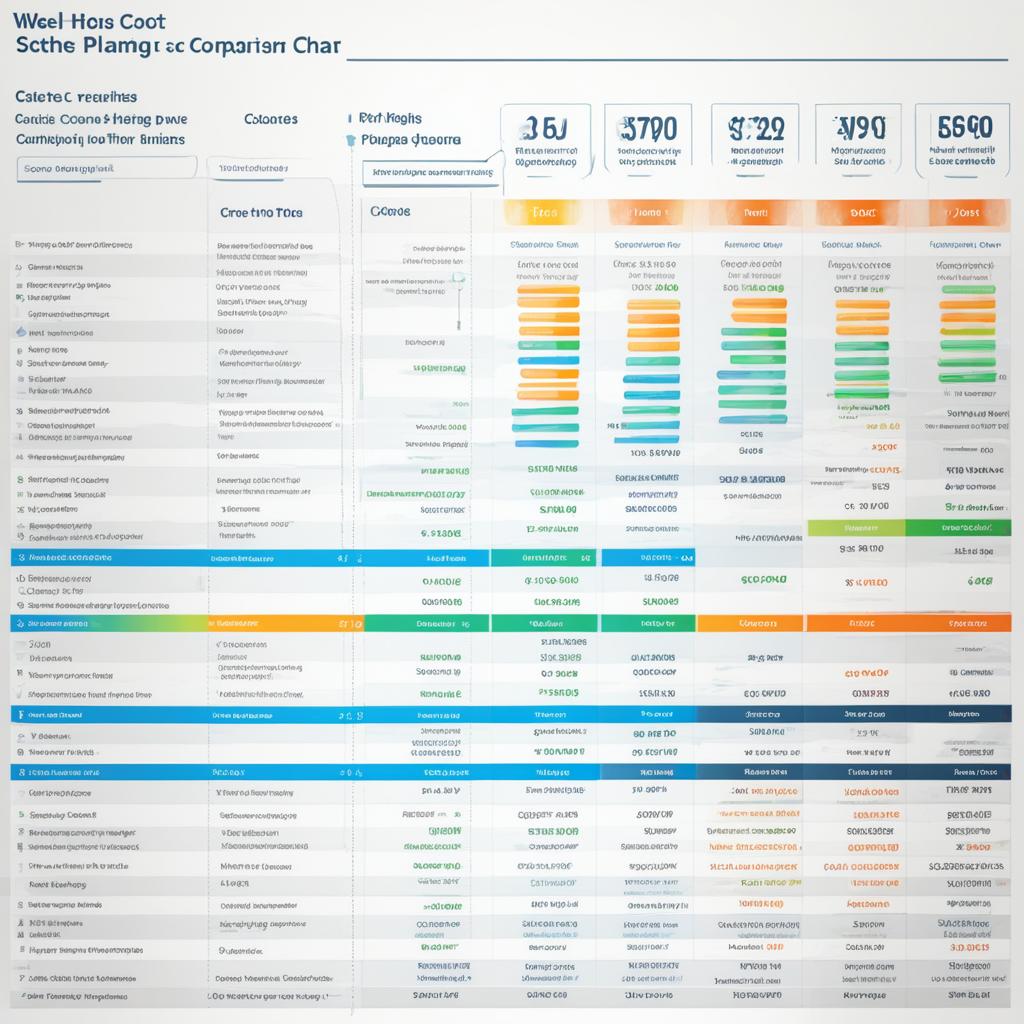
Performance and Speed: Choosing a Host That Delivers
When looking for a web host, consider their performance and speed first. Visitors expect fast load times everywhere. Choose a host that can keep up with today’s internet needs.
But how do you know if they’re good enough?
Evaluating Server Performance Metrics
Server performance is crucial for your site. Look for uptime, response time, and capacity for many users. Good hosts show their stats or promise a certain level of performance.
This lets you see if they can handle high-speed, always-available sites.
Impact of Hosting on Site Load Times
Hosting quality affects your site’s speed. Slow loading turns users away. A host with lots of bandwidth, optimized servers, and modern hardware can make your site faster.
This improves user experience, cuts down on site abandonment, and can even raise your search ranking.
Content Delivery Networks (CDNs) and Their Role
CDNs are key in today’s global web. They store your site on many servers worldwide, bringing it closer to visitors. Using a CDN with your hosting can speed up your site for people all over, creating a better experience.
Leave a Reply
You must be logged in to post a comment.