

Welcome to the digital age. Here, the definition of social media goes beyond online networking. It’s crucial for our everyday talks. Social media lets us chat with friends, share photos, and more.
These platforms are key for businesses, influencers, and individuals. They build communities and share ideas. Social media has changed the way we connect. It has made modern-day interaction digital.
Social media lets you share content fast. It lets you reach out to both big and small audiences. It’s part of almost every aspect of our lives, from keeping up with news to sharing work insights.
Key Takeaways
- Gain a foundational understanding of social media’s role in contemporary communication.
- Uncover why social media platforms are key spaces for sharing, engaging, and community-building.
- Recognize how online networking molds personal and professional interactions.
- Learn how digital communication on social media transcends geographic barriers.
- Explore the expansive impact of social platforms in various sectors.
Unlocking the World of Social Media
In today’s world, social media is more than just fun. It’s key for talking, sharing info, and building community. We’ll see how it has created new ways to connect online.
A Brief Overview
Social media has come a long way from simple forums to today’s vast networks. With Facebook and LinkedIn, people and businesses connect worldwide without meeting face-to-face.
The Pulse of Today’s Digital Landscape
To get today’s digital scene, we must see social media’s big role. It’s leading in sharing news fast and allows chats. It lets brands talk directly to customers, changing how they market and get seen.
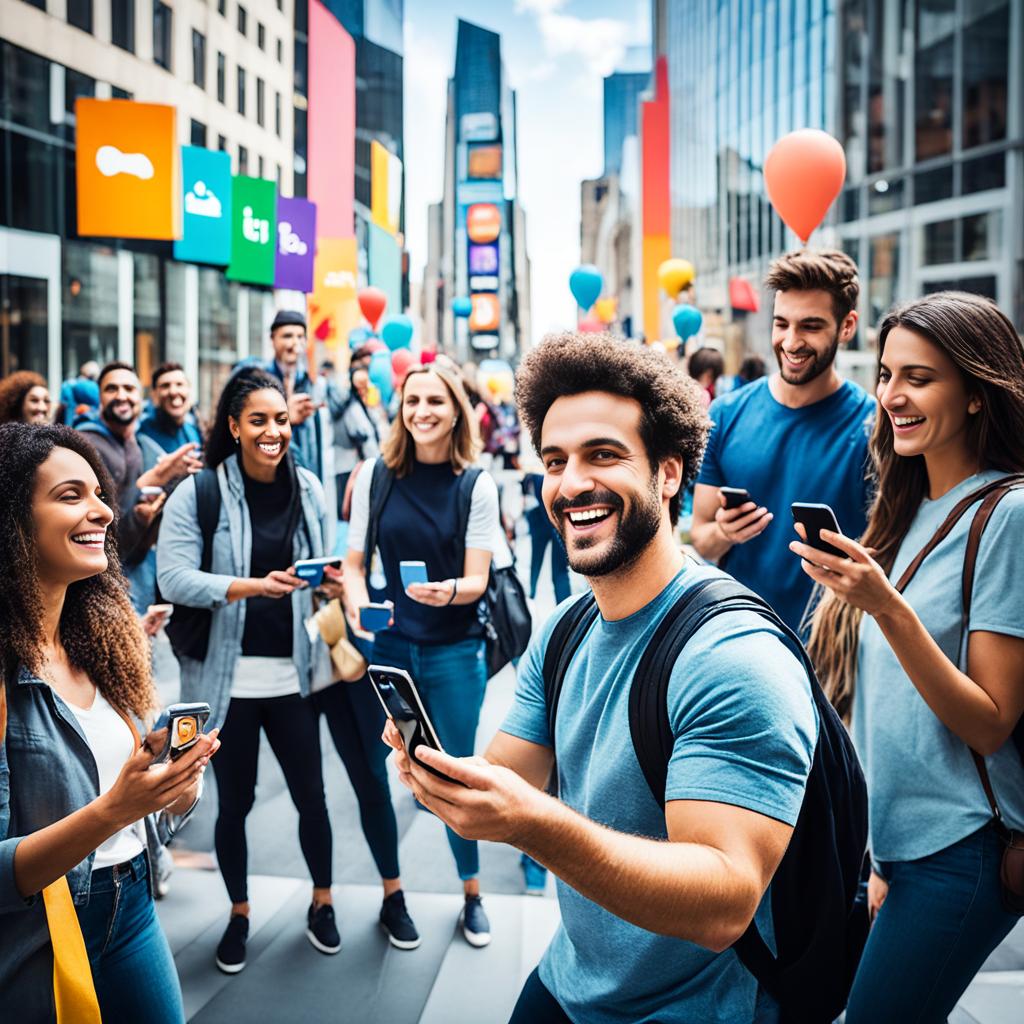
Twitter’s hot topics or TikTok’s viral videos show how key social media is. It sets trends and shares content fast across many people. Its interactive nature keeps our digital world lively.
The future of online communities looks exciting. More tech in social media will change how we talk, learn, and grow digitally.
The Birth and Boom of Social Networks
Exploring the start of social media is eye-opening. We’ve gone from simple bulletin boards in the 1970s to huge platforms today. The growth of digital networks has changed our world. Today, let’s look at key moments in social media history that matter.
It all started with digital communication experiments. Bulletin board systems (BBS) let users share messages and news. They did not need a central server. This led to forums and online communities. Yet, the real start of social media was with Six Degrees. It was the first to let people create profiles and make connections.
- The launch of Friendster in 2002 introduced ‘friends’ online.
- MySpace, in 2003, let users personalize with music and layouts, becoming a pop culture hit.
- Facebook and Twitter came next in the mid-2000s, changing how we share info and connect worldwide.
These were just the start. Social media evolved fast with mobile tech. This made social platforms even more powerful. Their reach and impact grew a lot.
| Year | Platform | Innovation |
|---|---|---|
| 2004 | News Feed | |
| 2006 | Microblogging | |
| 2010 | Photo sharing | |
| 2011 | Snapchat | Disappearing stories |
Smartphones made access even better. Apps were made for social media’s power. Now, digital socializing is part of everyday life. Looking back, each platform changed how we act and the market.
Knowing this history helps us understand digital network evolution. It shows how each platform changed our online interactions. Social media drives digital innovation. It changes how society communicates.
Diverse Platforms Tailored to Varied Interests
Understanding popular social media platforms and niche networks is key in the digital age. They are not just for staying online. They change how we connect, share, and understand info.
Exploring the Major Players
Facebook and Instagram are big names in social networking. They have features for a wide range of users. Facebook lets people connect through news feeds and groups. Instagram is great for sharing photos and videos.
Twitter is perfect for real-time chats and trending topics. LinkedIn is essential for career networking. It helps with job opportunities and business links. TikTok leads in short-form videos, especially with the young.
Discovering New Horizons in Social Media
The exploration of niche social networks is exciting. These networks are made for special interests. They have content that really speaks to specific groups. This could be for artists, gamers, or fitness fans. These places let you meet others who share your passions.
| Platform | Focus | Audience | Unique Features |
|---|---|---|---|
| General Networking | Adults 18+ | News Feed, Groups, Marketplace | |
| Photo and Video Sharing | Youth and Young Adults | Stories, Reels, IGTV | |
| Microblogging | Broad, incl. professionals | Tweets, Trends, Hashtags | |
| Professional Networking | Adults, Professionals | Job Listings, Business Pages, Networking Events | |
| TikTok | Short-form Video | Teens and Young Adults | Video Editing, Trending Songs, Challenges |
Joining popular social media and niche networks boosts your online presence. You connect with different communities. This continues to open new ways for expression and growth.
Why We’re Wired to Connect Digitally
In our always-on world, social media’s psychology deeply influences how we interact. We explore how we connect online to understand our digital behaviors and natural social instincts better.
Understanding Human Connection
Our reliance on social media taps into basic human needs. It plays on our desires for social approval and to belong. When we engage with likes, shares, and comments, it fulfills our need for recognition, much like face-to-face interactions.
Neuroscience Meets Social Networking
Science shows how our brains react to social media. Virtual chats and posts boost dopamine, making us feel good. This reward keeps us coming back for more.
Regular use of social networks changes our brain, affecting how we see rewards and interact with others. It shows why we find digital chats so engaging and sometimes hard to quit.

Using this knowledge can improve our digital experiences. By knowing why we connect online, we can find a healthy balance. It helps us handle the intense world of social media better.
The Rise of Instantaneous Interactions
The concept of real-time communication has changed how we talk to each other. Now, you can instantly reach anyone around the world thanks to social media. This quickness isn’t just handy; it’s changed how we view time and replies in online chats.
Social networking has become a part of these platforms. It lets you talk, share, react, and work together right away. This change affects both our personal lives and business, making quick replies as important as what we say.
But, fast online talks have their ups and downs. Knowing these can make handling online talks easier for you.
| Benefits | Challenges |
|---|---|
| Instant feedback on queries and communications | Constant demand for immediate responsiveness can lead to stress |
| Real-time collaboration across different geographies | Over-reliance on digital communication can weaken personal interactions |
| Enhances the ability to share momentous events live | Potential for misunderstandings without contextual cues |
- Increased connectivity and networking opportunities
- Streams of information available instantly, aiding in timely decision-making
- Boosts in productivity with tools designed for faster communication
Social networking features and real-time communication meet our need for fast online interactions. But, it’s important to keep quality in our communications. A balance between fast replies and thoughtful messages makes online talking more rewarding.

From Consumers to Creators: The Content Revolution
The world of social media is changing fast. We’re moving from just watching content to making our own. This big change comes from more people creating content themselves. Influencer culture makes this even bigger, turning regular folks into stars who shape what we buy and like all over the world.

Now, anyone can make media thanks to user-made content. This brings us closer to real, genuine stories. Social media lets you share your ideas and art without needing approval from big media companies. This means we get to hear from different cultures and places, making our conversations richer.
- Influencer culture has turned creating content into a full-time job, leading to teamwork with brands.
- User-made content makes for real talks between makers and viewers, building a stronger bond.
- Now, more voices from different backgrounds get heard in media, thanks to this open creation.
Creating content is now a key part of how companies talk to us. By embracing influencers and user content, brands can really connect with us. This makes us trust them more, which is super important to stand out today.
Leveraging Social Networks for Business Success
Today, using social media in your brand strategy is key for growth and engaging customers. Knowing how to use social networks can improve your brand’s online image. It also helps create lively online communities around your brand.
Crafting an Online Presence
To build a strong online presence, start with a clear brand strategy across all social platforms. Your brand’s values, mission, and look should be clear everywhere. This makes your brand easy to recognize, building trust and turning people into loyal followers.
Forming Communities Around Brands
Online communities are more than just groups of people. They’re potential supporters of your brand. By engaging with them and adding value, you boost brand loyalty.
Social media marketing isn’t just about promoting products. It’s also about making spaces for real conversations. This helps create a deeper bond between your brand and customers, leading to continued involvement.
| Strategy Element | Importance | Impact |
|---|---|---|
| Consistent Branding | Critical for recognition | Builds trust and customer loyalty |
| Community Engagement | Essential for feedback and growth | Increases brand advocacy and loyalty |
| Value-driven Content | Important for retaining interest | Enhances engagement and revisits |
Using these strategies can make your social media efforts more effective. It’s not just about building online communities. It also solidifies your brand’s future in the digital world.

what is social media
At its heart, social media includes different online platforms. They help people interact, share content, and build communities online. Users from everywhere can connect, share, and interact, creating virtual communities beyond physical borders.
Breaking down social media helps us see its three main parts:
- Platforms: Digital places like Facebook and TikTok for sharing and curating content.
- Content: Anything from texts and photos to videos and podcasts shared online.
- Communities: Networks of users interacting based on shared interests on these platforms.
Now, let’s see how these parts work together in social media:
| Component | Role in Social Media | Examples |
|---|---|---|
| Platforms | Provide tools for social interaction | Facebook, LinkedIn |
| Content | Encourages user interaction | Posts, Videos, Blogs |
| Communities | Boost engagement, create niches | Groups, Discussion Forums |
This setup shows how online platforms merge. They’re about more than sharing—they forge meaningful ties in virtual communities.

Looking into each part offers insight into social media’s depth. It’s not just platforms; it’s a lively space changing our way of communication and connection globally.
Assessing the Major Shifts Wrought by Social Networks
The digital era has changed our world forever. Social media has been a major player in this transformation. These changes have affected many areas of life, leading to new cultural norms and societal structures. It’s important we grasp these changes and their effects on us and society.

Social media has greatly changed politics. It has become a place for activism and bringing people together. Social networks let people speak up and support big changes. They’ve also changed how we talk to each other and interact daily, thanks to online connections.
Now, let’s explore how these platforms have created a new cultural scene:
- Digital transformation has made it easy to share and get information from anywhere.
- It has changed how businesses work, helping small companies reach out to the world easily.
- It’s also changed how we talk, bringing in internet slang and symbols into the mix.
Below is a table showing communication changes before and after social media. It shows the deep impact of digital change on our personal and community habits:
| Aspect | Pre-Social Media | Post-Social Media |
|---|---|---|
| Information Dissemination | Limited to traditional media | Widespread through multiple channels |
| Community Engagement | Mostly local and physical | Global and virtual |
| Political Activism | Primarily offline movements | Significant online presence and mobilization |
| Business Marketing | Conventional methods (TV, print) | Digital strategies (social media, influencers) |
Social media’s influence shows us how much our world has changed. By understanding these shifts, we can better handle the digital age. This ensures we’re not just going along with it but leading our way through this digital life.
Navigating Privacy in a Shared Digital World
In our world today, knowing about online privacy is very important. It’s essential to use good data protection strategies for secure social networking. When you use different social media, there are important steps to keep your information safe.
- Think carefully about what you post online, even on sites you trust.
- Make sure to adjust your privacy settings on social media to what feels right for you.
- Learn about how your data is used on the sites you visit.
Protecting your data helps keep your online world safe and fun. Now, let’s look at some laws and personal steps that can help with this.

| Regulation | Purpose | Impact on Users |
|---|---|---|
| General Data Protection Regulation (GDPR) | Keeps the private information of EU citizens safe during transactions in EU countries. | Gives users more control over their personal information, focusing on consent and access to data. |
| California Consumer Privacy Act (CCPA) | Gives more privacy rights to California residents, including insights into the personal data businesses collect and why. | Allows Californians to ask for clarity and accountability from companies about their personal data use. |
| Children’s Online Privacy Protection Act (COPPA) | Restricts how much personal info can be gathered from kids under 13. | Gives parents more power over their kids’ online life, making the internet safer for them. |
Getting to know these regulations and following recommended practices enhances online privacy and secure social networking. The task of data protection starts with you. It’s very important to protect your online presence in today’s digital world.
Glimpsing Ahead: Trends and Predictions
The future of social media is exciting as it blends with new digital trends. We’re seeing how the virtual reality in social networks can change our online interactions. This change is leading us into a fresh era of digital connection.
The Next Generation of Social Media Technology
Revolutionary changes are shaping the future of social media. Artificial intelligence and machine learning are big players here. They’re making content more personal and engaging. This shift is guiding us into an era where tech impacts our social world.
Merging Realities: The Integration of VR
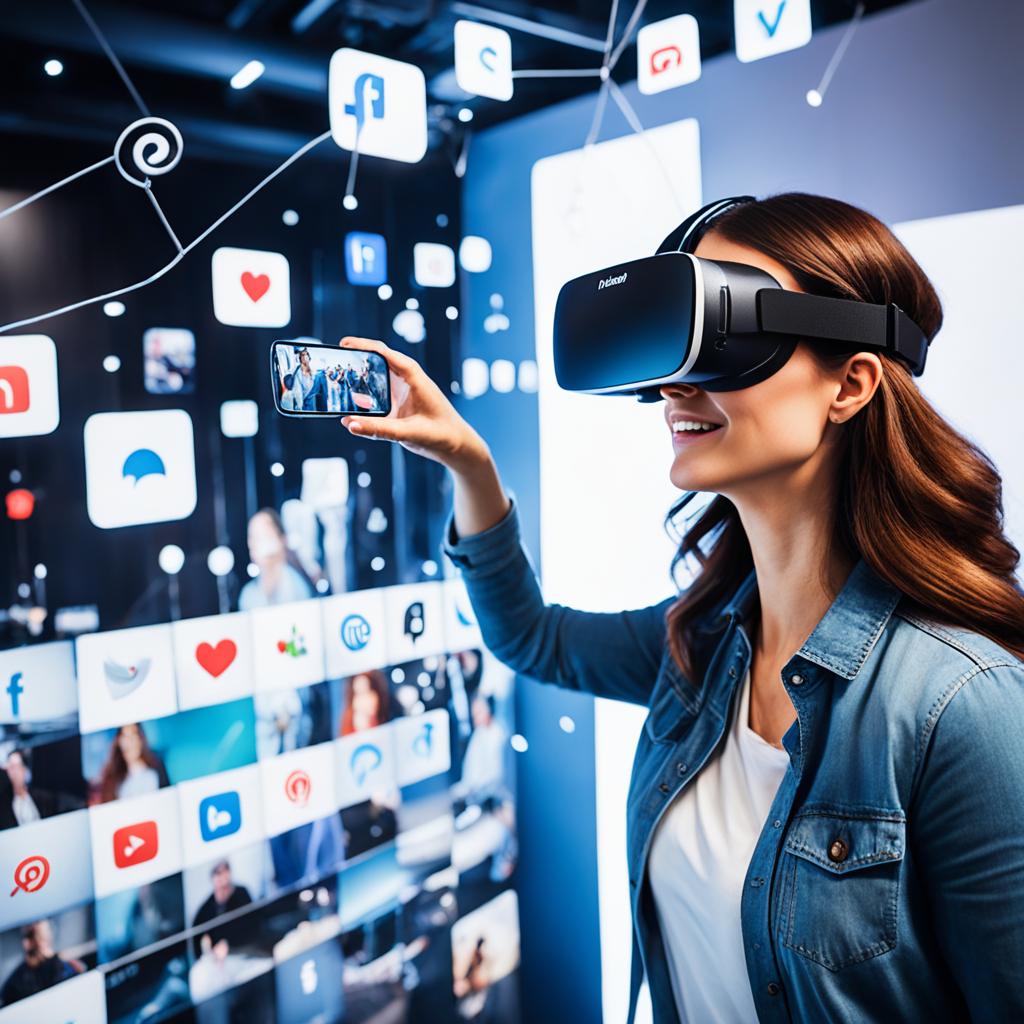
The idea of virtual reality in social networks is captivating. It offers an immersive way to connect beyond what we’re used to. Picture yourself at a live concert or adventuring in new places with friends, all from home. As VR grows within social platforms, such experiences are becoming real.
| Technology | Impact on Social Media |
|---|---|
| Artificial Intelligence | Enhances personalization and automation of content. |
| Machine Learning | Improves user experience through intelligent algorithms. |
| Virtual Reality | Creates immersive and interactive social environments. |
In exploring these digital trends, we see social media’s evolution. With VR and sophisticated AI, our ways of connecting and sharing are transforming. Let’s welcome these advancements. They’re paving the way for an innovative social media world.
Curating Your Digital Footprint Thoughtfully
Managing your digital presence today is essential. It’s not just about keeping a good image online. It also means using social media wisely. Every post you make adds to your online identity. This affects both your personal and work life. Here are tips to help you handle your online image.

First off, know that what you post online can last forever. Even if you delete it, it might remain. So, think carefully before sharing. Consider how it might affect you.
To safeguard your online image:
- Check your social media privacy settings regularly.
- Be careful about what you share. Even small details can be misused.
- Create posts that are useful to others, showcasing your professional side.
Another key part of managing your digital footprint is regular check-ups. Look yourself up on search engines and social media. You might find old profiles or posts that don’t fit who you are now. If so, remove or update them.
- Set up name alerts to track new mentions or content about you.
- If you find negative stuff with your name, try to create positive content to balance it out.
Using social media responsibly goes beyond just watching what you post. It also means being kind and thoughtful in how you talk to others online. Remember, the digital world is vast and always changing. Being proactive in managing your digital footprint is crucial now more than ever.
The Do’s and Don’ts of Digital Interaction
In today’s world, it’s key to keep up with social media etiquette, stay safe online, and have productive online interactions. Knowing how to communicate online helps you make good connections. It also keeps your digital self safe.

- Personalize Your Approach: Treat folks online like you would in person. Being nice and respectful helps in any chat.
- Privacy is Paramount: Be careful with your personal info. Use privacy settings on social sites to control who sees your data and posts.
- Think Before You Click: Sharing wrong info can cause problems. Always check the truth of what you share online.
- Cultural Sensitivity Matters: Social media connects the world. Mind cultural differences to prevent misunderstandings and conflicts.
Following these tips can improve your online interactions. It also makes the internet a nicer place for everyone. Remember, your online actions can either build or harm your digital image. By being respectful and careful online, you help make the digital world better for all.
Conclusion
Social media’s landscape is both wide and constantly changing. Reflecting from its start to now, we see a revolutionary change. Via the internet, we’ve connected in complex ways that touch our lives, businesses, and how we share news.
The role of social media in creating connections and building global bridges is clear. It’s a changing digital world where private and public lives meet. This overview helps us understand how to move through the world of likes, shares, and tweets.
You do more than just consume on social media; you’re part of its growth. Your actions—like posting and commenting—build vast ties across the world. Knowing this, you’re ready to explore social media responsibly and enjoyably.
Leave a Reply
You must be logged in to post a comment.